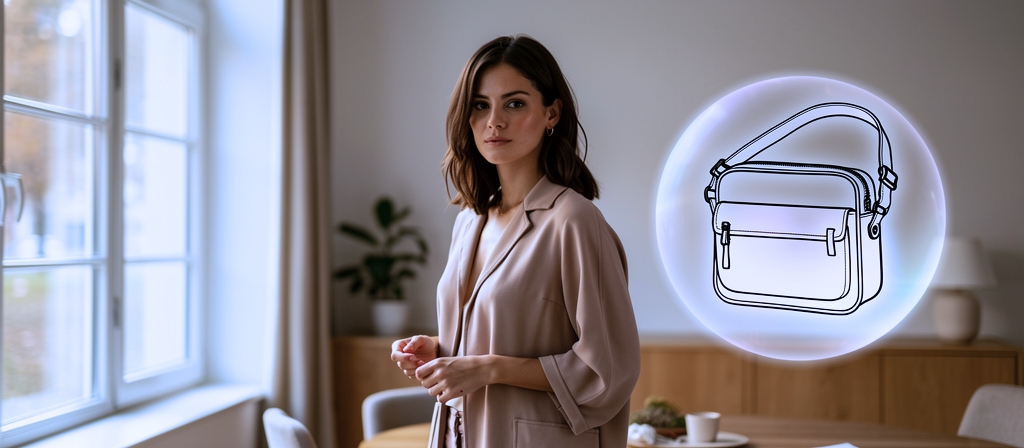
You don’t realize how important comfort is—until your bag starts hurting your shoulder.
We’ve all been there. You leave home feeling stylish and organized. By midday, your shoulder aches. The strap digs into your skin. Your back feels tight. Suddenly, that beautiful bag becomes a burden.
A comfortable bag doesn’t just carry your essentials. It protects your posture, supports your body, and moves with you—not against you.
So what actually makes a bag comfortable for all-day wear?
Let’s break it down.

Disclosure: This post contains affiliate links. If you click and make a purchase, I may earn a small commission at no extra cost to you. Learn More →
1. Strap Design: The Real Game-Changer
The strap determines everything.
A thin, narrow strap concentrates weight into a small pressure point. After hours of wear, that pressure turns into soreness. A wide strap, on the other hand, distributes weight evenly across your shoulder.
Look for:
- Wide straps (at least 1.5–2 inches)
- Adjustable length
- Soft padding or reinforced stitching
- Smooth edges that don’t rub
Adjustability matters more than most people think. When the strap sits too low, the bag swings. When it sits too high, it restricts movement. The right length keeps the bag secure and balanced against your body.
Comfort begins with intelligent strap engineering.
2. Weight: Lighter Is Always Better
The first rule of all-day comfort? Start light.
A heavy bag feels fine when empty—but once you add your phone, wallet, keys, charger, water bottle, and maybe a small notebook, the weight multiplies.
Choose lightweight materials like:
- Soft leather
- Nylon
- Canvas
- Vegan leather blends
Hardware also matters. Thick metal chains and oversized buckles add unnecessary weight. If your lifestyle requires daily carry, prioritize function over decorative heaviness.
Your shoulders will thank you.
3. Structure & Shape: Fit to Your Frame
A comfortable bag complements your body shape instead of fighting it.
A rigid, boxy bag may look polished, but if it presses against your hip awkwardly, you’ll feel discomfort within hours. A slightly flexible structure adapts better to natural movement.
Consider:
- Crossbody styles for hands-free balance
- Curved or ergonomic silhouettes
- Medium size instead of oversized bulk
If the bag constantly slides, bumps, or swings while walking, it’s not fitted properly.
Fit equals freedom.
4. Weight Distribution: Balance Matters More Than Size
Many people assume large bags equal discomfort. That’s not always true.
Poor weight distribution causes the real problem.
A bag with organized compartments keeps items evenly distributed. Without compartments, everything piles to one side, pulling your shoulder downward.
Look for:
- Multiple compartments
- Interior dividers
- Zippered pockets
- Secure closures
When your belongings stay organized, your bag stays balanced. Balanced weight reduces muscle strain and improves posture.
5. Strap Placement: Shoulder vs Crossbody
Carrying style changes everything.
Shoulder bags place all weight on one side. Over time, that creates muscle imbalance. Crossbody bags distribute weight diagonally across your torso, reducing strain.
If you walk frequently or commute daily, crossbody styles offer better long-term comfort.
Switch sides occasionally to avoid repetitive stress.
Your body needs symmetry.
6. Material Feel: Soft Against Skin
Comfort isn’t just about weight—it’s also about texture.
Rough edges irritate skin. Stiff straps dig into clothing and shoulders. A comfortable bag feels smooth and flexible.
Test for:
- Soft lining
- Smooth stitching
- Rounded strap edges
- Breathable backing material
If the material feels uncomfortable in-store, it won’t feel better after 6 hours.
Trust your first impression.
7. Size: Carry Only What You Need
Oversized bags encourage overpacking. Overpacking leads to shoulder strain.
Ask yourself: Do I really need to carry all this daily?
Choose a size that fits your essentials—nothing more. Minimal carry equals maximum comfort.
A well-designed medium bag often provides the perfect balance between storage and ease.
8. Emotional Comfort Matters Too
Yes, physical comfort is important—but emotional comfort matters just as much.
When your bag fits perfectly, you feel confident. You move freely. You stop adjusting it every five minutes. You stop thinking about discomfort.
Instead of distraction, you feel ease.
The right bag supports your lifestyle. It becomes an extension of you—not a weight you tolerate.
Comfort creates confidence.
Final Thoughts
A bag designed for all-day wear combines:
- Wide adjustable straps
- Lightweight materials
- Balanced compartments
- Proper size
- Soft, skin-friendly construction
Before buying your next bag, don’t just focus on style. Think about your daily routine. Think about your posture. Think about how many hours you’ll carry it.
Your shoulders deserve better than pain.
Choose comfort. Every day.